Growing with Passion
Vine thrives and flowers in Central Texas
By AMY ROGNLIE | Photos from AdobeStock
Last summer, I was driving down Adams Avenue in Temple, and I happened to drive by a sign that said “Plant Sale.” Well, you know what came next. I followed the cardboard signs like Hansel and Gretel following the trail of crumbs until I pulled up in front of a house with potted plants lining the driveway. The nice lady was practically giving away cannas, since cannas multiply like hamsters. I already own way more cannas than one person needs.
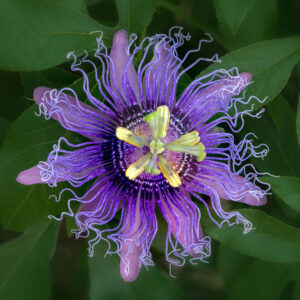
But I digress. She had a lovely assortment of typical houseplants like spider plants and pothos, which I already grow in abundance. But then I noticed the purple passionflower vine covering her back fence and almost engulfing her shed, and the young passionflower vines she had for sale. Gleefully, I bought a healthy little vine at a way better price than one would ever see at a garden center.
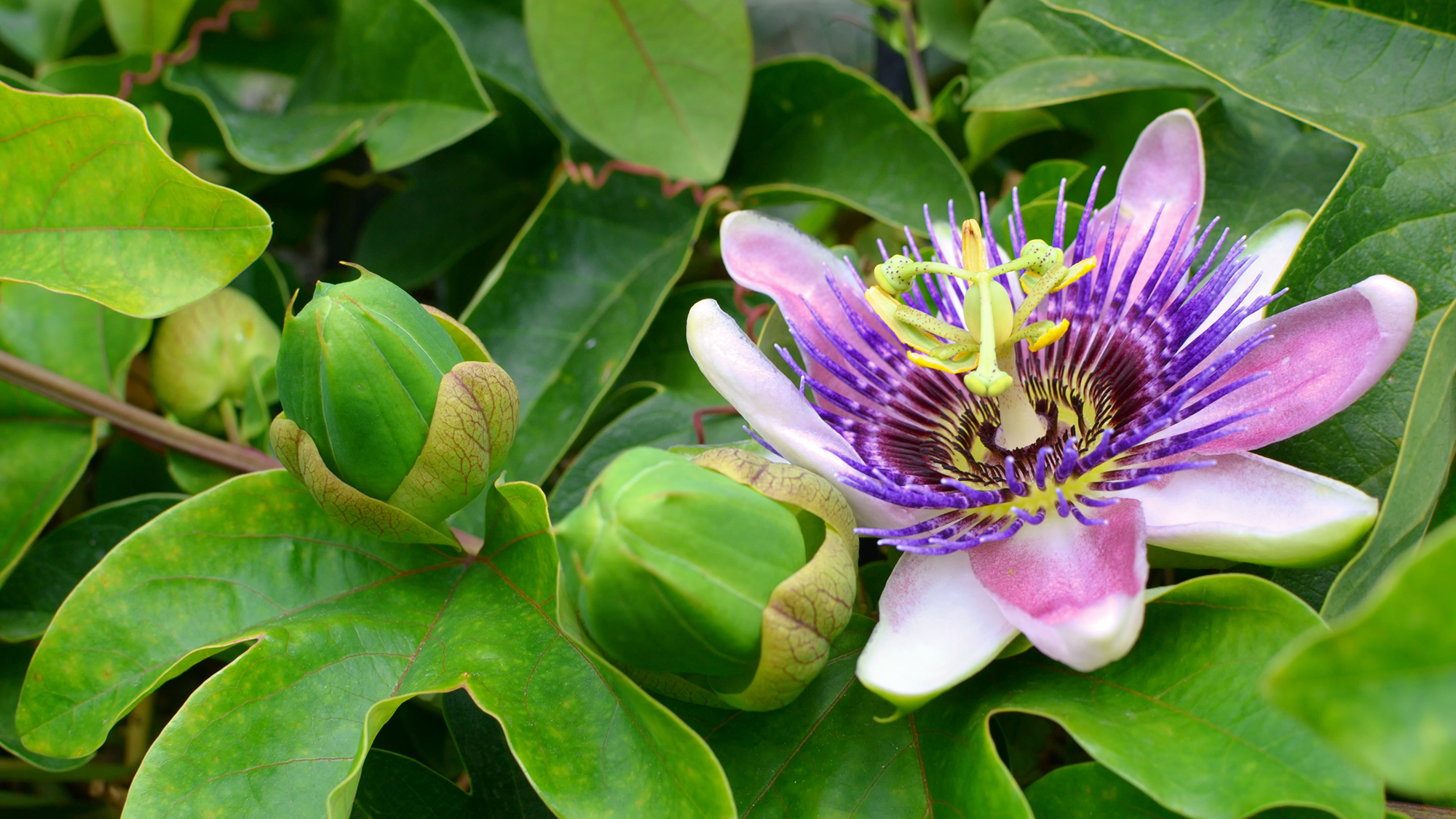
I schlepped it home (along with a few other finds) and planted it on my back fence, where it happily looped and twined through the fence and produced many large, intricate, purple blossoms throughout the summer. And though the blossoms each only lasted one day, there were new ones every morning. I took so many close-ups of photos of the flowers that I could make my own book.
At any rate, as I enjoyed smelling and photographing the flowers on a regular basis, I soon noticed that ants also adored this vine. I observed them crawling all over the flower buds and leaves and figured there must be something that the ants were attracted to. I did a little research and learned that passionflower vines produce sugar from “extrafloral nectaries” on their stems and leaves. This attracts the ants, who then help protect the vine from predators like caterpillars. Who knew?
I also learned that passionflowers have a special spiritual significance.
According to the Lady Bird Johnson Wildflower Center database, “The plants were given the name passionflower or passion vine because the floral parts were once said to represent aspects of the Christian crucifixion story, sometimes referred to as the Passion. The 10 petal-like parts represents the disciples of Jesus, excluding Peter and Judas; the five stamens the wounds Jesus received; the knob-like stigmas the nails; the fringe the crown of thorns.” So that’s pretty cool.
Now you can imagine my disappointment when my passionflower vine didn’t make an appearance this spring. I knew it would die back during the winter, but I had expected it to sprout from the ground early in the spring.
It didn’t.
I was a little sad, but what can you do? Then, a few weeks later, I noticed some vines coming up near the fence where I had planted the passion vine the year before. Had it seeded itself? Nope. Turns out that this vine spreads underground by suckers.
So, now I have five purple passionflower vines taking over my fence and winding their way up my mulberry tree, their long tendrils grasping anything within reach including tree branches, other plants, and the hanging bird feeder. And now I know why the friendly plant lady in Temple was selling passionflower vines at a discount price. Anyone need one?