
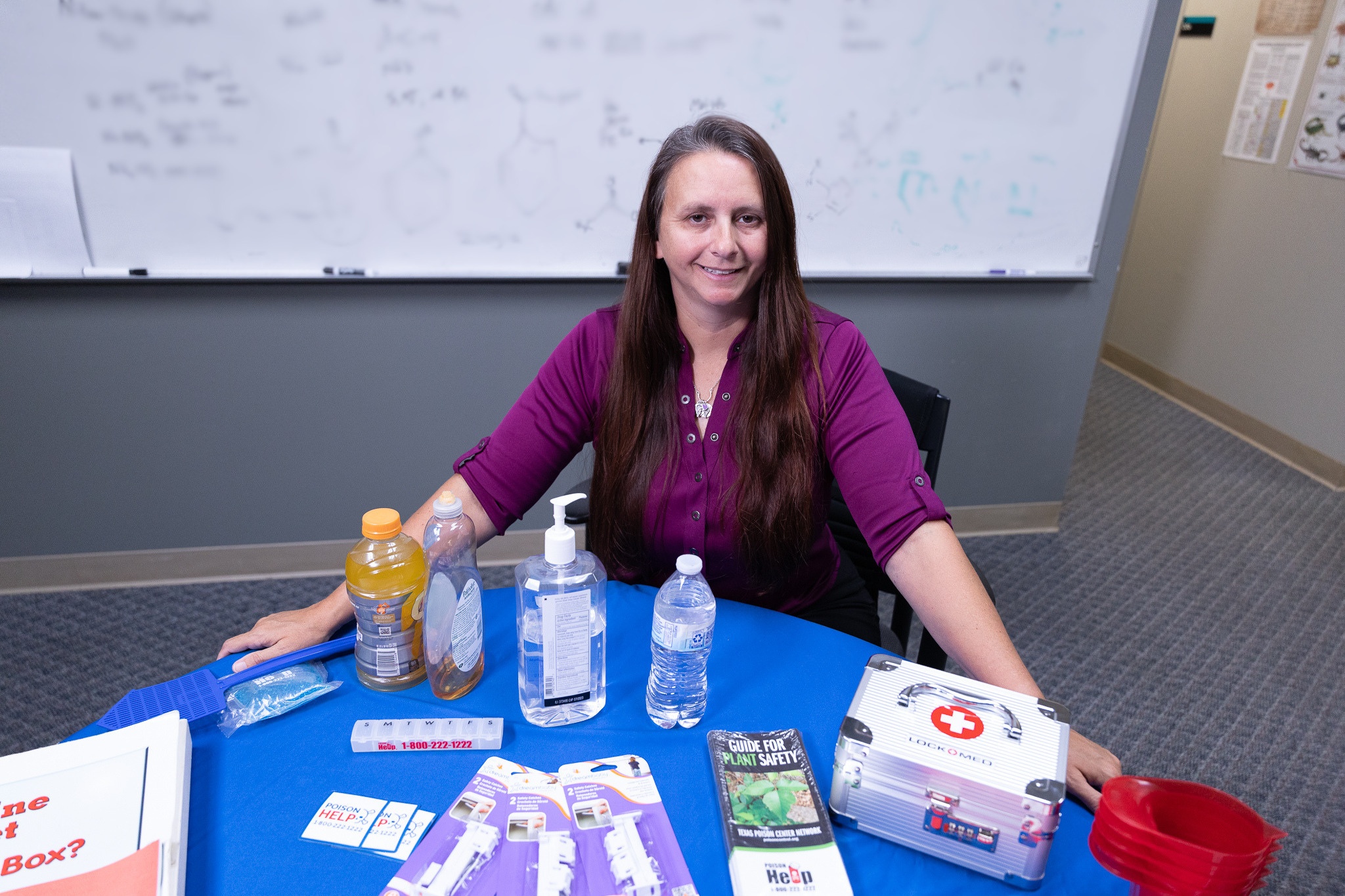
On Call to Help: Central Texas Poison Center ready to assist when accidents happen
By AMY ROGNLIE | Photos by Baylor Scott & White Health and Adobe Stock
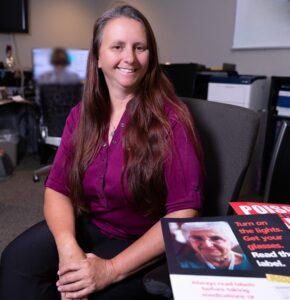 ‘No matter how great a parent you are, you cannot have your eyes on your child 24/7,” said Tommie Ferguson, educator for the Central Texas Poison Center. “Accidents happen, and that’s why we’re here. We don’t pass judgment — we just get you the help you need.”
In fact, Ferguson recently needed to call the CTPC herself. While doing laundry at home, she accidentally dropped an open bag of laundry detergent pods. She quickly picked them up off the floor because she has a young grandchild who lives with her. Not 10 minutes later, her grandbaby found one of the pods where it had rolled underneath and behind a door. She chewed it up, but fortunately, she spit most of it out and was okay.
“This just shows how easy it is for something like this to happen to anyone. I didn’t even think to look under the door,” Ferguson explained. “I work for the CTPC. I have all my medicines stored up high, everything out of her reach, and then in one instant, this happened.”
The need for dedicated, centralized poison centers was realized in the early 1950s after the war when American companies started producing new cleaning products, cosmetics, pharmaceuticals and lawn care products that became widely available to the public. As a result, many children became sick or died after consuming a poisonous substance, especially since companies were not required to disclose what ingredients were in their product. A secretary for the American Academy of Pediatrics in Chicago investigated what the children at the local hospitals had eaten or drank, then contacted manufacturers to see what was in their products that was making children ill. She took notes and soon, doctors started calling her for advice. The idea for a poison center was born, with the first United States poison center opening in Chicago in 1953 and the American Association of Poison Control Centers founded in 1958. Today, there is a poison center in every state of the U.S. and across the world.
The Central Texas Poison Center (CTPC), housed at Baylor Scott & White Medical Center –Temple, opened its doors in 1994 as one of six poison centers in Texas. The CTPC predominately serves Healthcare Services Region 7, which contains 30 counties surrounding Bell County.
Today, the CTPC offers comprehensive poison information services to the 3 million residents of Central Texas. Ferguson has seen the number of calls to the poison center grow exponentially in the last few years.
“We currently have 2,750 people a month in the Central Texas region who call us after being exposed to some type of poison,” Ferguson said. “Those exposures range from alcohol poisoning to farm chemicals, to household cleaning products and even vapes.”
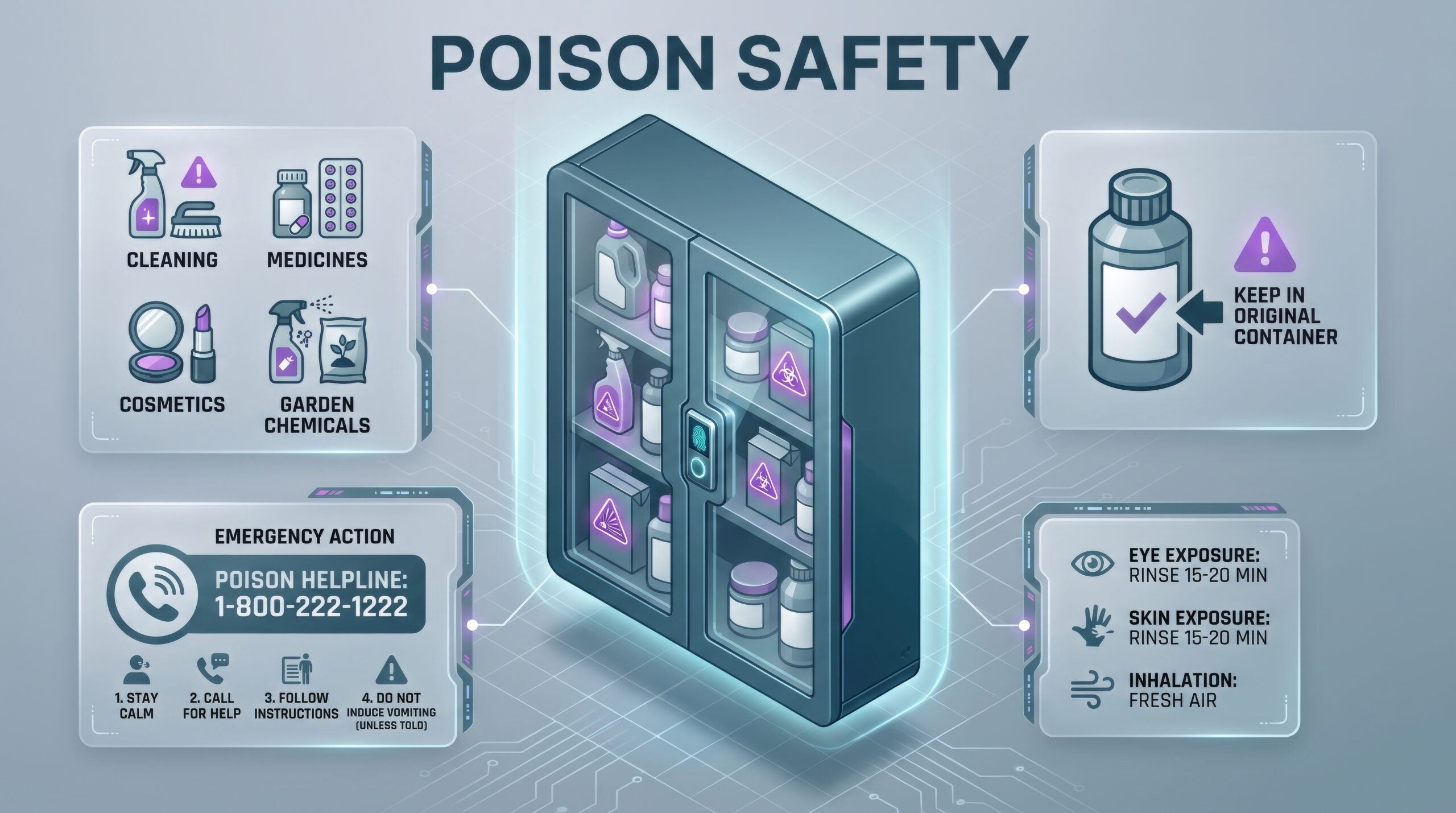
These exposures each month to poison leads to approximately 6,500 contacts a month between patients and providers. The CTPC is staffed by doctors, nurses and pharmacists, all of whom have been specially trained in toxicology and certified by America’s Poison Center, a national organization. If a person calls the CTPC and is directed to go to the local ER, the staff at the CTPC follow the patient’s case until he or she is released from the hospital and provides follow-up contact as needed.
 The CTPC is staffed 24/7, and all their info is free. Central Texas residents are encouraged to call if they even suspect they might have been exposed to a poisonous substance whether it was swallowed, inhaled or came in contact with their skin. Texas Poison Center Network works hard to educate the public about how to stay safe from poison by publishing monthly email newsletters, and providing presentations and resources for parents, educators, and schools. On the TPCN website, folks can access monthly blogs and a series of podcasts. One of the newest additions is a YouTube video for kids. While educating the public about poison awareness, Ferguson also wants folks to know that it is OK to call the Poison Control at any time.
“Some people may hesitate to call for a variety of reasons, especially if they’re worried about possible consequences,” she explained. “We want people to know that when they contact CTPC, their privacy is protected by HIPAA. Our role is not to report callers or involve law enforcement. We’re here to provide confidential support and help connect people with the resources they need.”
If you think someone has been poisoned, call CTPC at 1-800-222-1222 right away. Do not wait for the victim to look or feel sick. Do not try to treat the person yourself. Poison Centers keep millions of people out of hospitals each year.
HOW TO GET HELP
Phone: 1-800-222-1222 (live help 24/7)
Website: https://poisoncontrol.org/home/
Facebook: https://www.facebook.com/TxPCN