Early Detection: Temple Clinic Offers New Hope Against an Old Enemy
By TONYA WARREN | Photos by Baylor Scott & White Health and Adobe Stock
 Your palms are sweaty as you quickly glance again at your phone. Nothing yet. Squirming in your chair while attempting to pay attention in a longer than expected work meeting, you can’t help but nervously glance at the blank screen … again.
Will the doctor’s office give good news when the call comes in? Waiting weeks or even months from the time of scheduling tests and now waiting for the results can cause crippling anxiety. What will happen if the news isn’t what you’d hoped it to be? If the news is good, then what, if any, steps need to be taken for future periodic monitoring? Are lifestyle changes needed? When will all of this make sense?
The above scenario has been played out too many times over too many years as the battle in the cancer war continually rages day in and day out across our country and beyond. Last year, Baylor Scott and White in Temple decided to change the hurry-up-and-wait scenario all too familiar in today’s healthcare landscape. Dr. Michael Volk, the hospital’s chief of internal medicine, developed the Early Detection Clinic, to efficiently determine if the patient has cancer, or not, in a coordinated and timely manner, based on results from lab, imaging or findings on a physical exam. Volk has a clinical background with a focus on liver cancer, thus bringing vast knowledge to the forefront of early cancer detection.
So, just what exactly is cancer? Oncologist and assistant professor of medicine, Dr. Siddhartha Mukherjee, authored the coveted 2011 Pulitzer Prize winner (for nonfiction work), The Emperor of All Maladies: A Biography of Cancer and explains cancer occurs when cells in the body experience disrupted growth from viruses, chemicals and other toxins, both known and unknown. In other words, cells gone wild. What causes healthy cells to go rogue has been, and is still somewhat, the million- dollar question surrounding cancer. Mukherjee’s book reads like a murder mystery with the medical community always on the hunt to find and destroy enemies that cause harmful mutations within cells. He cites mind boggling research suggesting the very first cancer ever detected occurred in ancient Egypt centuries earlier.
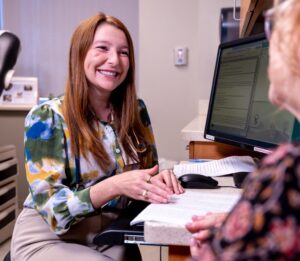
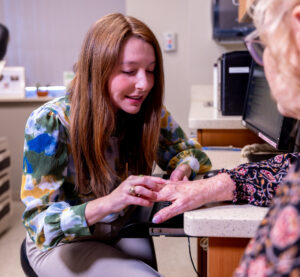 Each new patient has their medical information carefully reviewed by a dedicated team member who helps determine if the patient should go straight to oncology or be seen in the Early Detection Clinic. Upon clinic arrival, the patient is seen by a clinic provider who does a full medical history and a complete head-to-toe physical exam. Also, it is important to ensure the patient is current on screenings such as colonoscopies, mammograms, pap smears, Prostate-Specific Antigen (PSA) blood tests and lung screening CT scans. The type of screening done will depend on the patient’s age, history and risk factors.
Physicians from various specialties then become involved, based on individual patient needs. For example, pulmonary manages lung biopsies, urology evaluates bladder concerns, and gastroenterology may perform biopsies for pancreatic findings. With this organized and effective approach, timely testing can occur through various departments to find answers needed for the correct treatment. Working closely with these patients in the center is Courtney Breazeale, PA-C.
“The focus is both clinical and emotional,” Breazeale explained. “Earlier diagnosis can improve outcomes, and faster answers can ease the emotional toll of waiting.”
Financial concerns are especially important in dealing with a possible long-term illness, and the center accepts most insurance plans, and the clinic sees uninsured patients as well. Breazeale said the clinic has seen about 300 patients since opening and she knows work being done there is invaluable.
“I’m proud because I know this clinic directly improves patient outcomes, if someone does have cancer, we are helping detect it earlier,” she said.
The center’s lead provider and oversight from the medical oncology department helps ensure seamless care during this stressful time. A care coordinator also helps manage things like logistics and scheduling.
What are some tips you can take to help maintain your best health for long haul?
Have a primary care provider, make sure you are current on all necessary cancer screenings, check your skin regularly and thoroughly for any unusual moles or lesions that are new or have changed in color, size, or symmetry and always wear sunscreen when outdoors.
Eat a healthy and varied diet with plenty of non-processed foods. Aim for plenty of restorative sleep and get some regular physical exercise.
Know red flag symptoms of cancer such as any pain not going away or getting worse, a new or worsening cough or blood in urine or stool.
Please note: This is not an exhaustive list of signs of cancer, so remember to consult your healthcare provider for any health concerns you may experience. Also, consult your healthcare provider before beginning an exercise program or changing your diet. Knowledge is power, and the Early Detection Clinic is seriously bringing it to Central Texas patients and beyond.