
Savings on food and more
By JENNISE VENTURA
 Some people assume couponers are hoarders and buy junk food, thanks to the old show ”Extreme Couponers.” I have been judged negatively a few times after I told people I am a couponer. They fail to realize that a lot has changed since that show.
Over time, couponers have learned to “think outside the box” and to think ahead. It’s more than saving $1 here and there. When particular products are on sale and a great deal, we stock up. We stock up for other reasons too, such as helping family members, donating items to local shelters and nonprofit organizations, reselling or for security amid an unpredictable economy.
COVID created havoc for those regular people looking for toilet paper. Guess who you didn’t see as much in stores during COVID? Couponers! They were already stocked up! The only time I was in the stores was to get groceries. I was stocked up on toilet paper, antibacterial wipes, hand soaps and hand sanitizers. Even when I helped family and neighbors, I still had a good stockpile left. Most of the household items that I stocked up on came from Walgreen’s and Dollar General. That isn’t hoarding, it’s just being smart and staying ahead of inflation and the rising costs of living.
When it comes to food, it used to be challenging to save money on healthy foods. Couponers struggled and wanted healthy options on sale.
Back then, there weren’t many coupons for healthy foods. Now, it’s so much easier. HEB has digital coupons (and paper yellow coupons) to save on gluten free, low/no sugar and vegan items. On select quick-sale produce, you can save 50% off. There may be a coupon you can use on top of that deal! Even meat prices have increased. You can stock up on 25% off on quick-sale meats. These quick-sale items can be put into the freezer and used when you are ready. Quick sales don’t mean the item is not fresh, it just means quality is still good but it needs to sell soon.
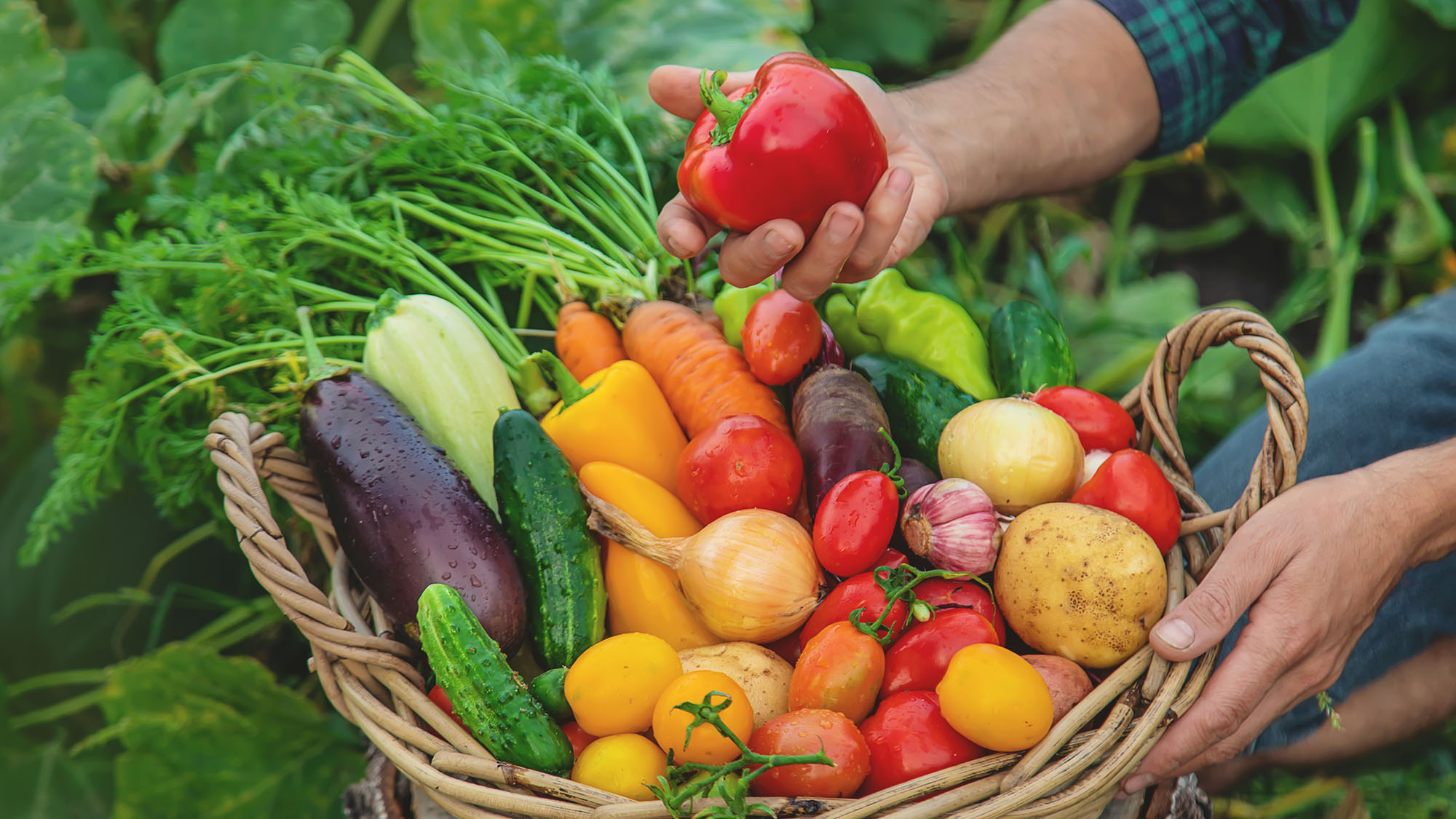
Another option to get produce at a great deal is Bountiful Baskets. This is a co-op connecting farmers to customers without a middle man. It’s organized by volunteers. This is why it’s cheaper! It is usually a large basket of 50% fruit and 50% vegetables. Prices vary based on items and quantities. You can go to the website, select the location near you, bring your own bags, basket or wagon and take it home. You can save more by splitting a basket with family members and neighbors.
Of course, you can grow your own garden, too. While it can be tedious, the labor can bring significant savings in produce costs. You can also share the responsibility of gardening with other people and use a community garden in your area.
Amazon Fresh is another option in select cities. Amazon Fresh delivers produce and groceries to homes. What I like about Amazon Fresh is the options, especially if someone needs gluten free or have other dietary restrictions.
Aldi also has great deals on produce and specific dietary items. You can look on their website or the app to see selections and prices, which vary by location.
Digital rebate apps also have increased their rebates toward items that are gluten free, vegan and other healthier foods. A perk is that you can buy these items in different stores and get the cash back. Ibotta and Fetch Rewards are two apps that give cashback on healthier options.
Next time you see a couponer in your local store, know you see a financially wise person securing their future and protecting themselves and their families against the unpredictable, unforeseen changes in life. This also could be your sign to start couponing. It’s never too late.